Orthopedic footwear plays a vital role in ensuring health and mobility for seniors, addressing conditions like arthritis and diabetes. Designed with features like arch support and slip-resistant soles, orthopedic shoes improve stability and prevent falls. While they are essential for enhancing quality of life and reducing health risks, economic considerations influence their accessibility.
Importance of Orthopedic Footwear for Seniors
Orthopedic footwear is an essential component in promoting health and mobility among seniors. As individuals age, physiological changes often lead to conditions such as arthritis, diabetes, and vascular disease. These conditions demand footwear that provides proper support, cushioning, and alignment to mitigate complications and enhance day-to-day functioning, especially for those with existing health challenges.
Design Features Beneficial for Seniors
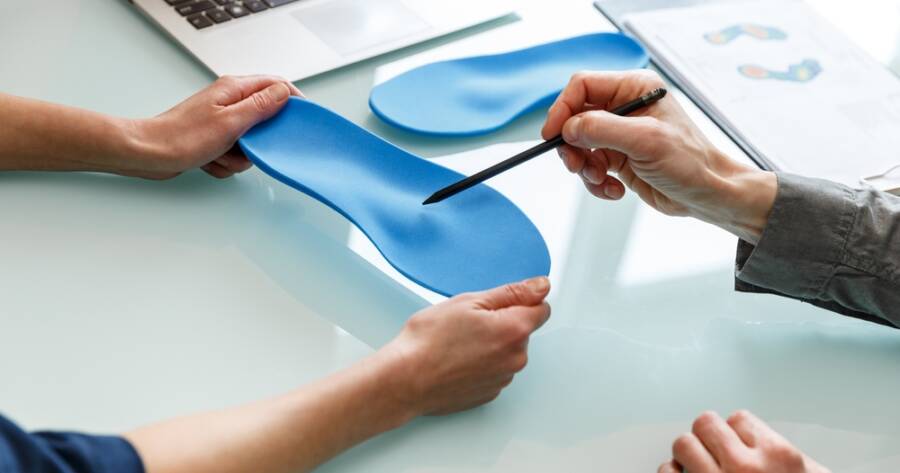
Orthopedic shoes are strategically designed with features beneficial for seniors. These shoes often include built-in arch support and roomy toe boxes, which help alleviate common foot ailments like bunions and hammertoes.
The incorporation of slip-resistant soles and modest heel heights further aids in preventing slips, trips, and falls, providing stability on various surfaces. Footwear that features secure fastening systems, like Velcro straps, also enhances balance by reducing heel slippage and promoting foot clearance which significantly reduces trip hazards.
Health Implications and Fall Prevention
A staggering majority of seniors suffer from foot pathologies that are exacerbated by inappropriate footwear, underscoring the importance of proper orthopedic shoes. These shoes not only address pain relief from conditions like plantar fasciitis but also promote proper foot alignment, which can improve posture and reduce body pain. According to several studies, the use of orthopedic footwear can significantly reduce fall risk, which is notably critical for seniors who are prone to injuries that lead to restricted mobility.
Economic Considerations
Cost can be a major barrier for seniors concerning orthopedic footwear. While programs like Medicare Part B provide some financial relief, often covering shoes for diabetics, other conditions may not be eligible, emphasizing the need for cost-effective solutions in orthopedic footwear. Selecting shoes that offer functionality over aesthetics, with lightweight construction and comfortable fittings, can provide the necessary support without being financially burdensome.
The Role of Orthopedic Shoes in Enhancing Quality of Life
Orthopedic shoes contribute profoundly to the quality of life for seniors. They not only allow for enhanced mobility, crucial for independence, but also support overall well-being. By reducing foot strain and providing comfort, orthopedic footwear empowers seniors to stay active, maintain balance, and effectively manage foot-related conditions. These shoes help in maintaining proper body posture, thereby reducing the risk of further musculoskeletal issues.
Why You Should Learn More About Orthopedic Footwear for Seniors Today
The crucial role of orthopedic footwear in enhancing the mobility, safety, and general well-being of seniors cannot be overstated. By integrating features that cater specifically to common health conditions and mobility issues in the elderly, these shoes serve not just as a preventative measure against falls but also as a means of improving daily life quality.
Orthopedic shoes support foot health, offering stability and comfort through designs tailored for endurance and ease of use. For seniors, choosing the right footwear can be a transformative decision that enables them to maintain an active and independent lifestyle.