

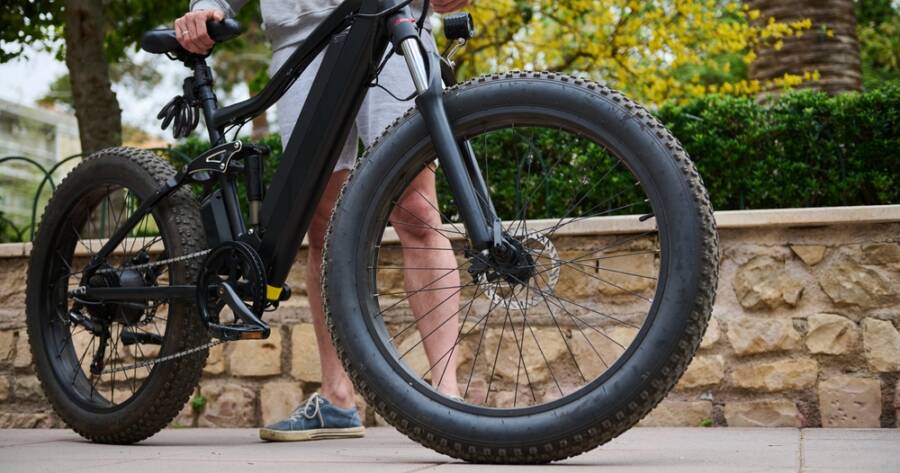
Electric bicycles are revolutionizing modern transportation, offering an eco-friendly and accessible way to travel. With motor-assisted pedaling and sleek designs, they provide comfort, speed, and efficiency for riders of all abilities. Understanding the different classes, features, and pricing options is key to finding an e-bike that perfectly suits your lifestyle, commuting habits, and performance expectations.
Electric Bicycles Guide and Buying Tips
The world of electric bicycles, often referred to as e-bikes, offers a diverse range of options catering to various user needs. As a result of their growing popularity, e-bikes are becoming a vital component of urban travel and recreational biking, offering a more accessible and environmentally friendly alternative to traditional transportation modes. Their appeal stems largely from the ease of motor-assisted pedaling, which reduces physical exertion and makes cycling more inclusive for people with varying levels of fitness and abilities.
Understanding E-Bike Classes and Legal Considerations
Electric bicycles are categorized into three main classes, each offering distinct levels of assistance and control. Class 1 e-bikes provide pedal assistance only (activating the motor when you pedal) and stop supporting once speeds reach 20 mph. Class 2 models feature both pedal-assist and throttle functions, allowing riders to cruise without pedaling, also capped at 20 mph. Class 3 e-bikes offer higher performance, providing pedal-assist up to 28 mph but often face more restrictions on bike paths or shared lanes.
Choosing the right class depends on how and where you plan to ride. Before purchasing, it’s essential to check local regulations, as laws governing speed limits and access can vary. Understanding these distinctions ensures compliance, enhances safety, and helps you select an e-bike suited to your lifestyle and riding environment.
Key Factors to Consider When Buying an E-Bike
Your intended use will largely dictate the type of e-bike to purchase. Commuters often seek models with efficiency and storage capabilities, whereas mountain bikers need sturdier builds that can handle rough terrain. The electric range, motor power, and battery life are all critical factors to evaluate, alongside practical elements like weight, which can influence storage and portability and ease of handling.
Pricing and Affordability
E-bikes vary widely in price, typically ranging from under $1,000 to over $10,000, with mid-range options between $1,500 and $3,500 offering good quality for everyday use. Prices can be influenced by factors like tariffs, which may vary, affecting affordability and availability. It’s recommended to explore financial options that fit within your budget, ensuring you’re not burdened by high interest rates from payment plans or tariffs impacting cost.
Maintenance and Safety Considerations
Proper maintenance and safety are paramount for e-bike ownership. This includes ensuring that the battery and electronics comply with third-party safety standards like UL certifications to prevent accidents and optimize performance. Regular service checks and understanding local support availability for repairs can safeguard your investment and maintain quality. Protective gear, such as helmets and gloves, adds an extra layer of safety during use.
Customizing Your E-Bike
Personalizing an e-bike can enhance comfort and functionality. Add-ons like lights, mounts, and carrying accessories can be tailored to fit your needs, but they should be budgeted for post-purchase as additional costs. Ensuring the e-bike can adjust for an optimal fit is important, enhancing both comfort and safety by modifying components such as handlebars and saddle height to suit individual preferences.
Why You Should Learn More About Electric Bicycles Today
Delving into the world of electric bicycles uncovers numerous possibilities for enhanced mobility and environmental sustainability. Understanding the diverse offerings, from different classes and intended uses to specific models and customizations, can help prospective buyers make informed decisions that match their lifestyle and needs. Not only does this knowledge lead to selecting the right e-bike, but it also ensures user satisfaction and long-term safety. As e-bike technology continues to evolve, staying informed is crucial to maximizing benefits and enjoying all the conveniences that these innovative vehicles offer.