
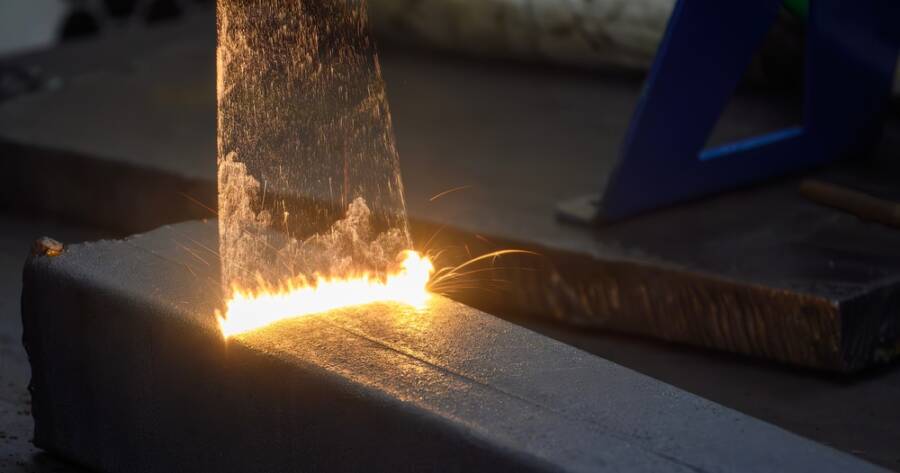
Laser cleaning machines are revolutionizing industrial processes with their precision and efficiency, providing a notable alternative to traditional methods. Beyond cleanliness, they offer significant environmental benefits, cost savings, and enhanced safety. As industries increasingly prioritize sustainability and precision, laser cleaning machines present a compelling solution for diverse applications across sectors demanding high standards and minimal environmental impact.
Understanding the Advantages of Laser Cleaning Machines
In recent times, laser cleaning has emerged as a superior alternative to traditional cleaning methods. This innovative technology utilizes laser ablation to remove material layers from surfaces without damaging the underlying substrate by using photonic energy. The benefits of laser cleaning go beyond just cleanliness; they offer a transformative impact on industrial processes by introducing precision, efficiency, and sustainability.
The Superiority of Laser Cleaning Over Traditional Methods
Compared to traditional cleaning methods such as sandblasting and chemical cleaning, laser cleaning offers unmatched precision and minimal environmental impact. This non-contact process avoids the use of abrasives and chemicals, which can pose safety risks and environmental challenges due to hazardous waste. Furthermore, laser cleaning systems are highly efficient, ensuring thorough cleaning without the need for additional consumables or secondary waste generation by generating no residue.
Among the primary advantages, laser cleaning’s ability to selectively clean specific areas without affecting the surrounding materials is significant due to its small heat-affected zone. This precision makes it particularly beneficial for delicate and precise workpieces where cleanliness and accuracy are paramount. Consequently, industries that require high precision and minimal damage, such as aerospace and nuclear decontamination, find laser cleaning particularly advantageous.
Cost-Effectiveness and Efficiency
Despite the high initial investment, laser cleaning systems are cost-effective in the long run. The reduction in operational costs, energy efficiency, and the elimination of consumables like chemicals and abrasives allow businesses to save significantly over time, making laser cleaning financially viable. Moreover, the minimal maintenance requirements further contribute to its cost-effectiveness by reducing downtime and enhancing productivity.
The efficiency of laser cleaning goes hand in hand with its speed and effectiveness. Fast contaminant removal and increased productivity result in reduced labor hours and better resource optimization through operational efficiencies. Industries benefit from the capability to integrate laser systems with robotic arms and automation, further enhancing precision and control over the cleaning process.
Environmental Impact and Safety
Laser cleaning stands out as an environmentally friendly technology. By avoiding the use of harmful chemicals and abrasive materials, it significantly reduces hazardous waste and aligns with stringent environmental guidelines, ensuring sustainability. Additionally, the non-contact nature of laser cleaning ensures safety and compliance, reducing the need for extensive protective equipment and providing a safer work environment.
Industries ranging from automotive to medical equipment sterilization benefit from its safety and cleanliness. Laser cleaning not only maintains the integrity of base materials but also effectively removes contaminants from intricate components without causing damage. This safety feature ensures compliance with occupational standards and environmental regulations.
Applications Across Various Industries
The applications of laser cleaning are vast and diverse, catering to various industries with specific needs. It is widely used for removing rust, oils, and coatings, preparing surfaces for welding or painting, and even sterilizing medical equipment, highlighting its broad applicability. The versatility and adaptability of laser cleaning systems allow them to function across different materials, including metals, glass, and stone.
In sensitive fields such as historical restoration and nuclear decontamination, laser cleaning plays a crucial role in preserving the integrity of underlying materials without being invasive. This precision and adaptability ensure that laser cleaning continues to gain prominence in industries demanding high levels of safety, precision, and environmental responsibility.
Why You Should Learn More About Laser Cleaning Machines Today
Laser cleaning machines offer a myriad of advantages over traditional cleaning methods, making them a prudent choice for industry leaders focused on precision, efficiency, and sustainability. With minimal environmental impact and exceptional cost-effectiveness, businesses can significantly optimize their cleaning processes while reducing safety risks and maximizing productivity.
The ongoing advancements in laser technology further enhance its appeal, promising integration with automation and improved functionality across diverse applications. By understanding the long-term savings and enhanced productivity laser cleaning provides, industries can make informed decisions to adopt this transformative technology, positioning themselves for a sustainable and efficient future.
Sources
Advantages and Environmental Impact of Laser Cleaning Machines
Overview and Benefits of Laser Cleaning
Financial Viability of Laser Cleaning